Strategic Realignment Workgroup: A Closer Look at Specialty Programs
Strategic Realignment Workgroup: A Closer Look at Specialty Programs
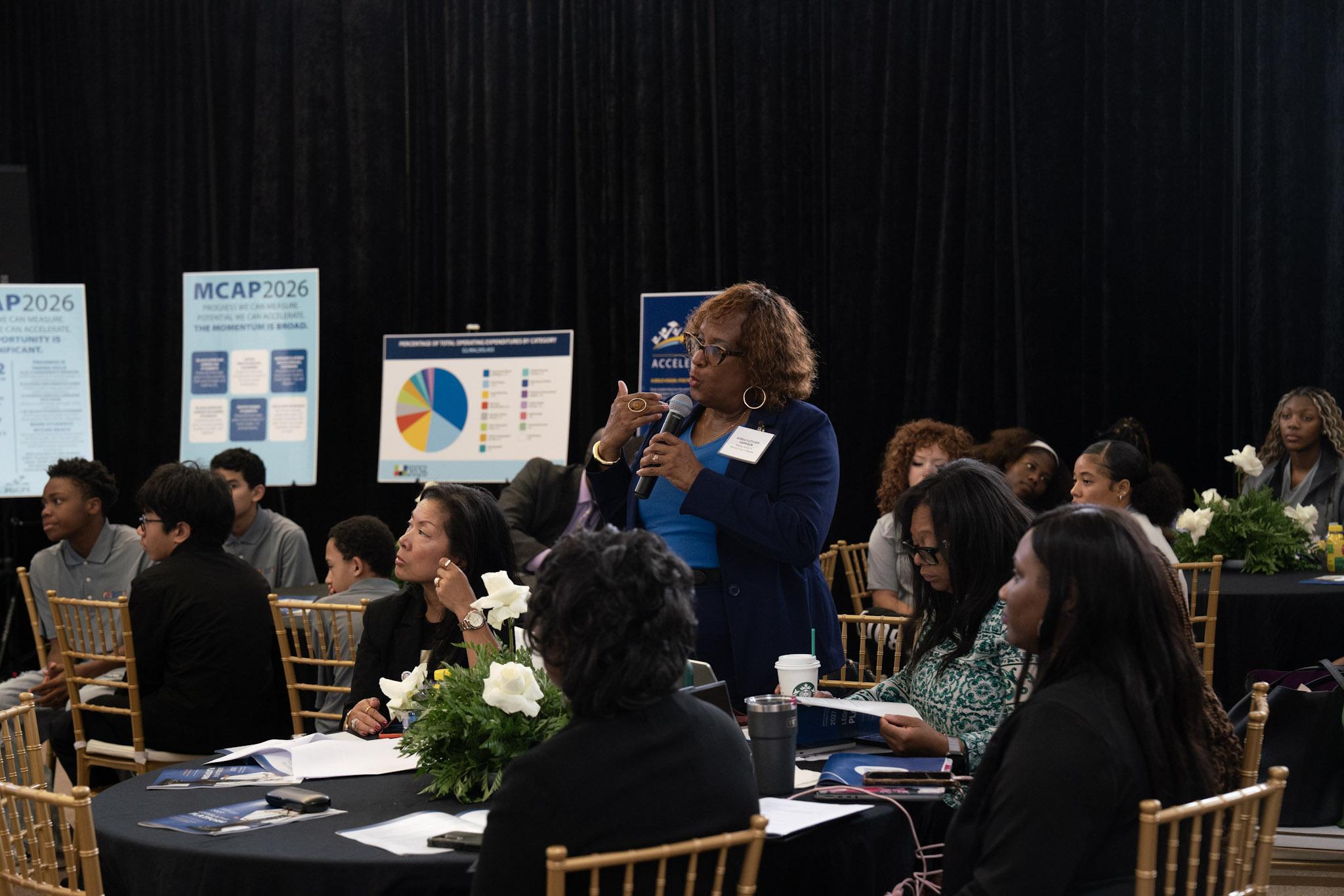
Strategic Realignment Workgroup members reconvened on April 13 to take a deeper dive into one of the district’s most valued and complex areas: specialty programs.
View the overview of the workgroup’s purpose and structure.
Grounding the Conversation in Data
The April 13 session centered on a review of PreK–12 specialty programs across Prince George’s County Public Schools, including Language Immersion, International Baccalaureate (IB), Talented and Gifted (TAG), Career and Technical Education (CTE), and arts programs.
Workgroup members examined:
- Enrollment trends across programs and grade levels
- Program utilization and fill rates
- Staffing and operational costs associated with sustaining these offerings
The data reveals key trends. Several programs are operating below half capacity, despite requiring substantial staffing and financial resources, prompting a closer look at how well resources align with student participation and demand.
Understanding Proposed Program Changes
District leaders walked the group through proposed FY27 budget adjustments, explaining both the fiscal realities and the academic considerations driving recommendations.
A key area of discussion focused on immersion programs. Proposed changes would shift some elementary immersion sites to a world languages model designed to provide consistent access for all students — regardless of entry point — while still maintaining strong language pathways and opportunities for advanced study.
This shift was discussed through an equity lens: ensuring that more students have access to language learning, while also committing to rigorous, high-quality instruction tailored to each school community.
The group also reviewed proposed changes to IB programming and AVID, including:
- Phasing out IB Primary and Middle Years Programme designations at select schools while maintaining core instructional practices and inquiry-based learning
- Expanding college and career readiness supports to all students through a new model of career coaches, replacing the current AVID elective structure
Throughout the discussion, district leaders emphasized that any transitions would include systemwide support to ensure continuity for students and staff.
Moving from Information to Action
Following the presentation, workgroup members broke into three subcommittees to begin the next phase of the work:
- Fiscal Review & Resource Alignment, focused on analyzing spending and identifying opportunities for reinvestment
- Revenue & Sustainability, tasked with exploring new funding strategies and long-term financial stability
- Stakeholder Engagement & Policy Recommendations, centered on ensuring community voice and translating feedback into actionable guidance
During this initial breakout, each group began work to identify leadership roles, outline priorities, and establish a roadmap for the weeks ahead.
What’s Next
With a clearer understanding of program trends, costs, and potential changes, the April 13 meeting marked a shift from broad orientation to deeper analysis and collaborative problem-solving. In the coming weeks, subcommittees will continue their work, incorporating stakeholder input and developing strategies that will inform interim recommendations this spring.